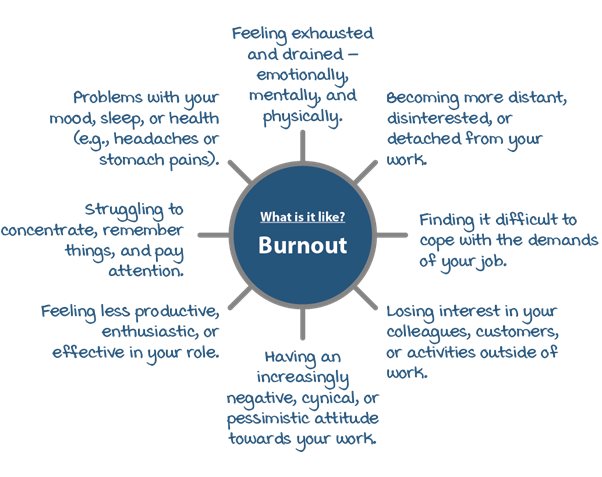
Have you ever reached the end of the day feeling completely exhausted—even though you didn’t do any heavy physical work? Your body feels fine, but your mind feels heavy, slow, and drained. This kind of tiredness is confusing because it doesn’t come from action. It comes from overthinking.
Overthinking is one of the most common yet misunderstood mental habits. People often blame laziness, lack of motivation, or weakness, but psychology tells a very different story. In reality, overthinking forces your brain to work continuously without rest, consuming enormous mental energy in the process.
In this article, we will deeply explore why overthinking makes you mentally tired, what exactly happens inside your brain, why it often gets worse at night, and how you can gradually regain mental clarity.
What Is Overthinking?
Overthinking is the habit of repeatedly thinking about the same thoughts, situations, or possibilities without reaching a conclusion or taking action.
It usually looks like:
- Replaying past conversations
- Imagining worst-case future scenarios
- Analyzing decisions again and again
- Constant self-doubt (“What if I did something wrong?”)
Unlike problem-solving, overthinking does not move you forward. It keeps your mind stuck in loops.
Overthinking vs Healthy Thinking
- Healthy thinking → Leads to decisions or solutions
- Overthinking → Leads to mental exhaustion and confusion
Your brain stays active, but nothing productive happens.
Why Overthinking Feels So Draining

To understand mental tiredness, you must understand one important truth:
Thinking consumes energy just like physical work.
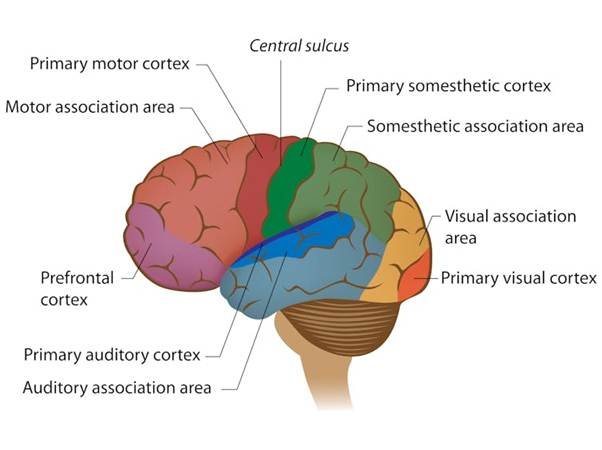
Your brain uses around 20% of your body’s total energy, even though it is only about 2% of your body weight. When you overthink, several energy-intensive processes happen at once.
1. Your Brain Never Enters Rest Mode
The brain has a natural “default mode” that allows mental recovery. Overthinking prevents this.
- Thoughts keep firing
- Attention keeps shifting
- No mental pause occurs
This is similar to leaving a computer running heavy programs in the background all day.
The Psychology Behind Overthinking
Overthinking is not random. It usually comes from specific psychological triggers.
1. Fear of Uncertainty
The human brain hates uncertainty. When outcomes are unclear, the brain tries to predict every possible scenario—even unrealistic ones.
This constant prediction effort drains mental energy.
2. Need for Control
Overthinking creates an illusion of control. Your mind believes:
“If I think more, I’ll prevent mistakes.”
In reality, excessive thinking increases anxiety rather than control.
3. Self-Protection Mechanism
For many people, overthinking started as a survival strategy:
- Avoid embarrassment
- Avoid rejection
- Avoid failure
Over time, this protection becomes mental overload.
What Happens in the Brain When You Overthink
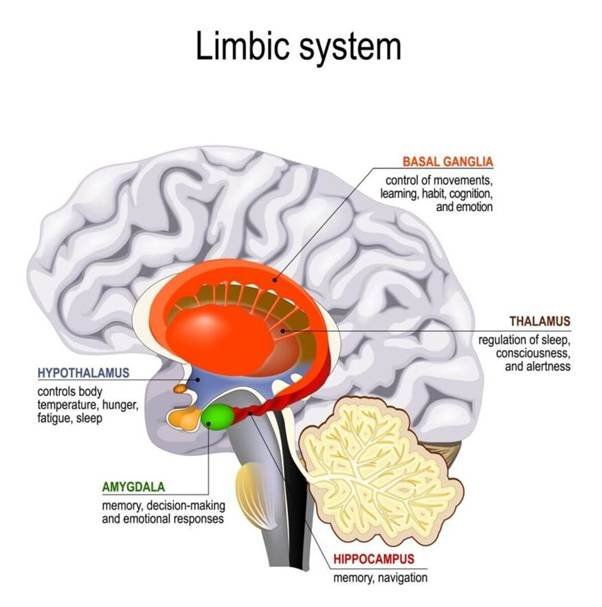
Overthinking changes brain chemistry in ways that directly cause fatigue.
Cortisol: The Stress Hormone
When you repeatedly analyze threats or problems, your brain releases cortisol.
High cortisol:
- Increases alertness
- Reduces mental calm
- Drains emotional energy
Your brain stays in “problem mode” even when no real danger exists.
Dopamine Imbalance
Dopamine is linked to motivation and reward. Overthinking floods your brain with incomplete reward signals.
Result:
- You feel mentally busy
- But emotionally unsatisfied
- And physically inactive
This mismatch creates exhaustion.
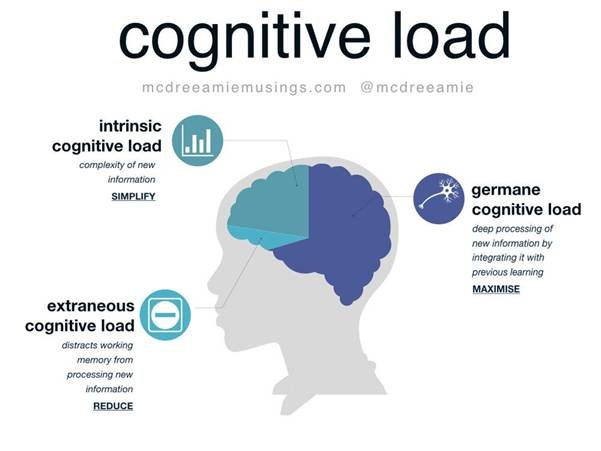
Cognitive Load Overload
Your working memory has limits. Overthinking fills it beyond capacity, causing:
- Mental fog
- Reduced focus
- Decision fatigue
Why Overthinking Makes You Tired Without Physical Work
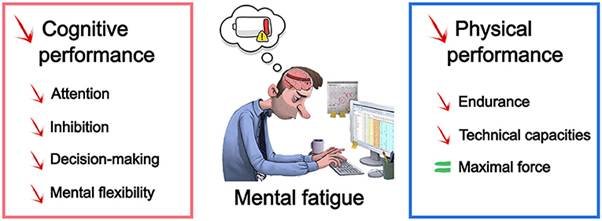
Mental tiredness feels real because the brain cannot differentiate between imagined stress and real stress.
Thinking about:
- Arguments
- Failures
- Possible dangers
activates the same neural circuits as experiencing them.
So even while sitting still:
- Your nervous system is active
- Your brain is consuming energy
- Your body feels drained
This is why you feel tired without “doing anything.”
Why Overthinking Gets Worse at Night
Many people report that overthinking peaks late at night.
Reasons:
- Fewer distractions – the mind turns inward
- Lower self-control – mental energy is already low
- Unresolved emotions surface
- Silence amplifies thoughts
At night, the brain reviews the day and anticipates tomorrow. If unresolved thoughts exist, they multiply.
This leads to:
- Poor sleep
- Next-day fatigue
- More overthinking
A vicious cycle begins.
Emotional Effects of Overthinking
Overthinking doesn’t only cause tiredness. It also impacts emotional health.
Common emotional effects:
- Irritability
- Lack of motivation
- Reduced confidence
- Emotional numbness
You may feel:
“I’m tired, but I don’t know why.”
That confusion itself becomes another source of mental stress.
Long-Term Impact of Chronic Overthinking
If overthinking becomes a daily habit, it slowly reshapes how your mind functions.
Long-term effects:
- Lower attention span
- Constant mental noise
- Difficulty enjoying the present
- Increased anxiety patterns
The brain becomes trained to stay busy instead of calm.
How to Reduce Mental Tiredness Caused by Overthinking
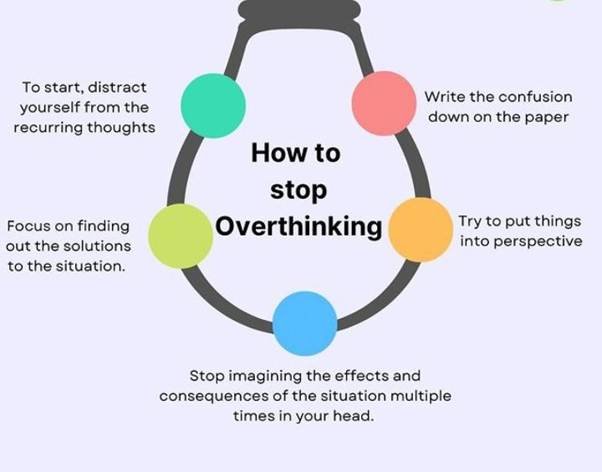

You don’t need to “stop thinking.” You need to change your relationship with thoughts.
1. Externalize Your Thoughts
Write them down. The brain relaxes once thoughts leave the mind and enter paper.
2. Limit Decision Replays
Tell yourself:
“I will review this once, not ten times.”
This trains mental boundaries.
3. Engage the Body
Physical movement signals safety to the nervous system. Even a short walk reduces mental load.
4. Practice Thought Observation
Instead of engaging with every thought, notice it like a passing cloud.
5. Improve Night Routine
- Reduce screen time
- Journal before sleep
- Create mental closure for the day
A Powerful Insight About Overthinking
Overthinking does not mean you are weak or broken.
It often means:
- You care deeply
- You are highly aware
- Your brain is trying to protect you
The goal is not to silence the mind—but to teach it when to rest.
Conclusion: Mental Tiredness Has a Psychological Reason
Overthinking exhausts the brain because it keeps your nervous system active without resolution. Your mind burns energy analyzing imaginary outcomes, unresolved emotions, and future uncertainties.
Once you understand this, mental fatigue becomes less frightening and more manageable.
Start small. Reduce mental noise step by step. Your mind doesn’t need more control—it needs more rest.
Mental clarity is not the absence of thoughts, but the ability to let them pass.
📌 If you found this article helpful, explore more psychology-based insights on yourmind.in to better understand how your mind truly works.